
Tooth infections can be painful and inconvenient, requiring rapid treatment to alleviate symptoms and prevent further complications. While antibiotics are commonly prescribed for such diseases, many seek natural alternatives due to concerns about side effects and antibiotic resistance. In this article, we fully explain the idea of natural antibiotics and discuss the strongest options for treating tooth infections.
 |
| What is the Strongest Natural Antibiotic for Tooth Infection? |
What is The Strongest Natural Antibiotic for Tooth Infection?
Tooth infections are no laughing matter. When faced with throbbing pain and discomfort, seeking a powerful remedy is natural. So, what is the strongest natural antibiotic for tooth infection? After careful research and analysis, the answer points towards Garlic.
Common Causes of Tooth Infections
A tooth infection, a dental abscess, occurs when bacteria invade most of a tooth or surrounding tissues. The infection can result in severe pain, swelling, and discomfort. There are several common causes of tooth infections, including:
- Tooth decay: Untreated tooth decline is one of the primary causes of tooth infections. An infection can develop when bacteria penetrate the tooth's outer layer (enamel) and progress to the inner layers (dentin and pulp).
- Dental trauma: Trauma to the tooth, such as a crack, fracture, or chip, can provide an entry point for bacteria to enter the tooth's pulp and cause an infection.
- Gum disease: Advanced gum disease, or periodontitis, can lead to tooth infections. The infection originates in the gums and can spread to the tooth roots and surrounding tissues if left untreated.
- Failed dental procedures: In some cases, previous dental treatments, such as fillings, root canals, or crowns, may fall or develop complications over time. If bacteria enter the affected tooth, it can result in an infection.
- Poor oral hygiene: Inadequate oral hygiene practices can contribute to the development of tooth infections. Plaque and bacteria buildup on the teeth can lead to decay and, eventually, infection.
- Weakened immune system: Someone with weakened immune systems, such as those with certain medical requirements or undergoing certain treatments (e.g., chemotherapy), may be more susceptible to tooth infections as their bodies are less able to fight off bacteria.
- Impacted wisdom teeth: Understanding teeth, also known as third molars, may not fully erupt or become trapped beneath the gum line (impacted). This condition can create a favourable environment for bacteria to grow and cause infections.
Natural Antibiotic For Tooth Infection
The Power of Garlic
Garlic has long been celebrated for its remarkable medicinal properties. Its potent antimicrobial and antibacterial effects make it an excellent natural antibiotic for tooth infections. This kitchen staple contains allicin, which is responsible for its antibacterial activity. When allicin comes into contact with harmful bacteria, it works to disrupt their cell walls, inhibiting their growth and ultimately destroying them.
 |
| The Power of Garlic |
How to Use Natural Garlic as a Natural Antibiotic for Tooth Infection
Garlic can be utilized in various ways to combat tooth infections. Here are a few effective methods:
Garlic Clove Application
One way to harness the power of Garlic is by applying a crushed garlic clove directly to the infected area. Follow these steps:
- Peel a garlic clove and grind it to release the allicin.
- Apply the crushed clove to the affected tooth or gum.
- Quit it on for 10-15 minutes, then rinse your mouth thoroughly with water.
- Repeat this process 2-3 terms a day until the infection subsides.
- Garlic Oil Rinse
Garlic Oil Rinse
Another effective method is using garlic oil as a rinse. Here's how to do it:
- Combine a few more drops of garlic oil with warm water.
- Swish the mixture and close your mouth for 30-60 seconds, ensuring it reaches the infected area.
- Spit out the rinse and rinse your mouth with water.
- Reprise this method 2-3 terms a day for optimal results.
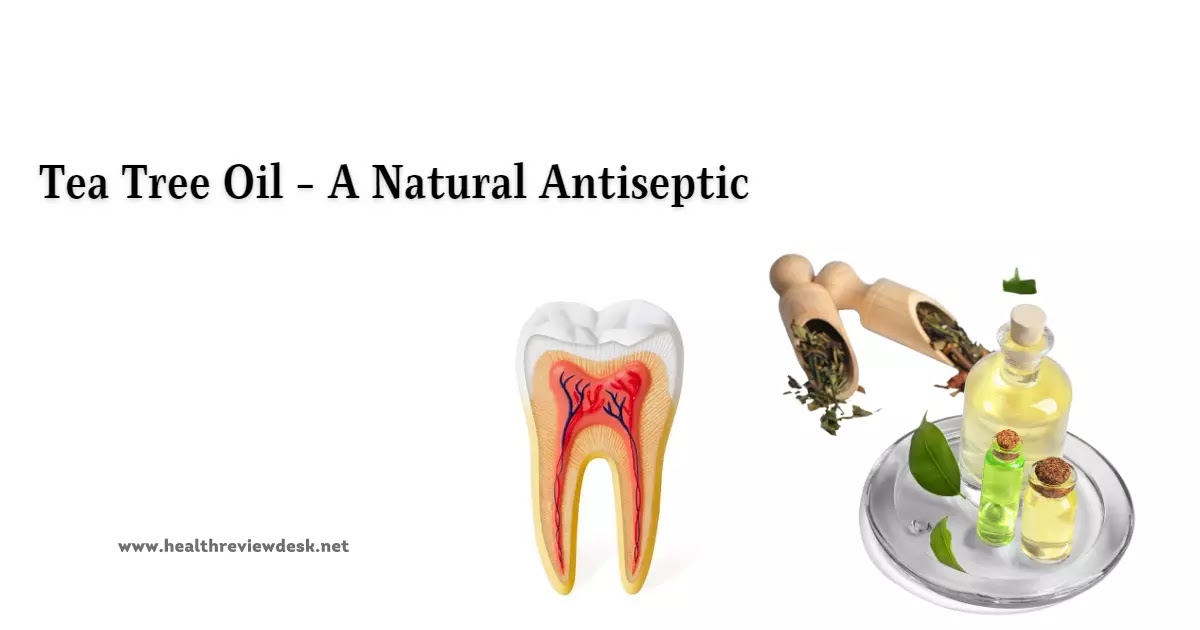
Tea Tree Oil - A Natural Antiseptic
 |
| Tea Tree Oil - A Natural Antiseptic |
Tea tree oil is well-known for its antiseptic properties, making it an effective natural antibiotic for tooth infections. This essential oil possesses antimicrobial components that can help reduce inflammation, fight bacteria, and relieve pain. To use tea tree oil, weaken a few drops in water and gargle the solution, ensuring it reaches the affected area. However, it's essential to remember that tea tree oil should never be ingested.
Clove - A Traditional Toothache Reliever
Clove has long been recognized for its analgesic and antimicrobial properties, making it a popular remedy for toothaches and infections. Clove oil contains eugenol, a natural compound that provides pain relief and has antimicrobial effects. Some little clove oil on a cotton ball and gently placing it on the affected area can help alleviate pain and reduce inflammation.
Turmeric - A Natural Anti-inflammatory
Turmeric, a vibrant yellow spice, contains curcumin, a potent anti-inflammatory compound. Its antimicrobial properties make it beneficial in combating tooth infections. Mixing turmeric powder with water to form a paste and using it on the affected area can help reduce pain, swelling, and bacterial growth.
Saltwater Rinse - Simple Yet Effective
A saltwater rinse is a simple and cost-effective natural remedy for tooth infections. Saltwater acts as a mild antiseptic, reducing inflammation and killing bacteria in the mouth. To create a saltwater rinse, dissolve half a teaspoon of salt in warm water and waggle it about your mouth for 30 seconds before spitting it out. Reprise this process several times a day for relief.
Oil Pulling - Oral Detoxification
Oil pulling is an antique Ayurvedic method that affects swishing oil in the mouth to remove toxins and bacteria. Coconut oil, in particular, is commonly used for its antibacterial properties.
Hydrogen Peroxide - A Powerful Oral Antiseptic
 |
| Hydrogen Peroxide - A Powerful Oral Antiseptic |
Hydrogen peroxide is a common household antiseptic that can remedy tooth infections. It possesses antibacterial properties and can help reduce inflammation and kill harmful bacteria in the mouth. However, diluting hydrogen peroxide with water before use is crucial. Using it at full strength can irritate and damage the mouth's delicate tissues.
Echinacea - Boosting the Immune System
Echinacea is a medicinal herb known for its immune-boosting properties. While it may not directly act as an antibiotic, it can enhance the immune system's response to fight off infections, including tooth infections. Consuming echinacea supplements or drinking echinacea tea may help support your body's natural defences and aid healing.
Oregano Oil - A Potent Antimicrobial Agent
Oregano oil includes carvacrol and thymol, two compounds known for their antimicrobial properties. These components make oregano oil a potent natural antibiotic for tooth infections. Add some drops of oregano oil to a carrier oil. Use it topically to the affected area with a cotton swab. However, exercise caution as oregano oil is highly concentrated and can cause irritation if used excessively.
Cranberry Juice - Promoting Oral Health
Cranberry juice, known for preventing urinary tract infections, may also benefit oral health. Its antibacterial properties can help inhibit the growth of bacteria responsible for tooth infections. It's important to note that consuming unsweetened cranberry juice without added sugar or artificial sweeteners is recommended for optimal dental benefits.
Probiotics - Balancing Oral Microflora
Probiotics are helpful bacteria that can help restore the balance of oral microflora. They can be found in fermented meals like yoghurt, kefir, and sauerkraut. By promoting healthy bacteria in the mouth, probiotics can help inhibit the development of harmful bacteria responsible for tooth infections. Adding probiotic-rich foods to your diet may support overall oral health.
Neem - Nature's Antibacterial Solution
 |
| Neem - Nature's Antibacterial Solution |
Neem, a tree born to the Indian subcontinent, has been used for centuries in standard treatment for its antibacterial properties. Neem leaves, and oil contains compounds like Nimbin and genuine, which exhibit potent antimicrobial effects. Chewing on neem leaves or using neem oil as a mouthwash can help combat bacteria and reduce inflammation associated with tooth infections.
Natural antibiotics such as garlic, clove oil, tea tree oil, and turmeric can offer temporary relief and aid in managing the symptoms of tooth infections. However, it's essential to remember that they are not a substitute for professional dental care. Seeking prompt treatment from a dentist is crucial for a comprehensive evaluation and appropriate treatment of tooth infections. By combining natural remedies with professional dental care, individuals can effectively address tooth infections and maintain optimal oral health.
Read More = What Can You Never Eat Again After Gastric Bypass? The Ultimate Guide